What Welding Machine is Right for You?
Choosing the right welding machine can be a daunting task, especially with the wide variety of models and technologies now available.
The decision depends on many factors, including the type of materials you plan to weld, the thickness of those materials, your experience level, and the conditions under which you will be working.
Each type of welding machine has its own strengths, weaknesses, and ideal applications.
Whether you are a beginner looking to take on small home repair projects or an experienced welder working in heavy industry, selecting the right equipment is critical for achieving quality results and working safely.
This article is designed to simplify the decision-making process.
We will explain the different types of welding machines available, describe how they work, and outline what projects and materials they are best suited for.
By the end, you should have the knowledge needed to confidently choose the welding machine that fits your requirements.
What is Welding?
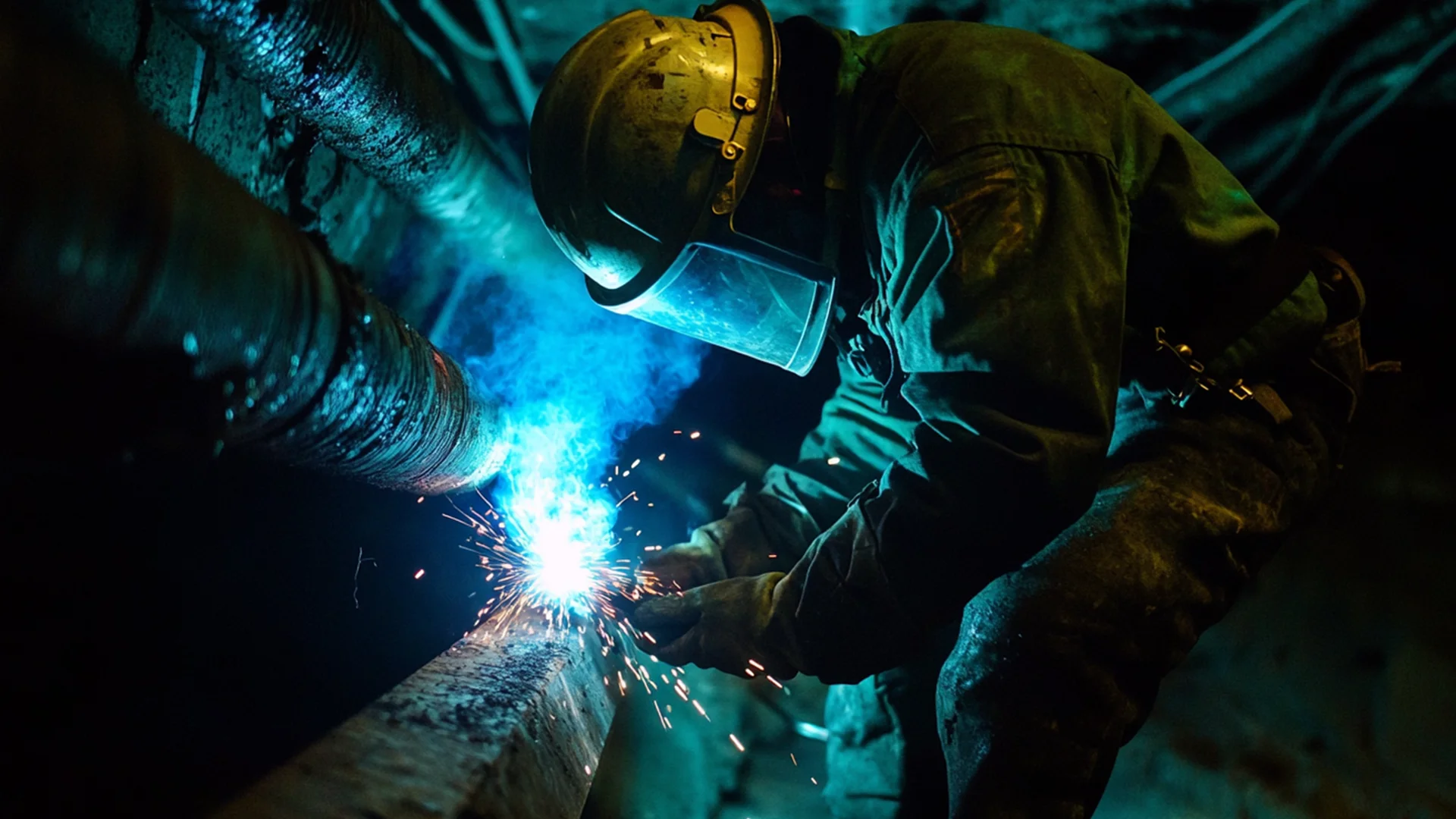
Welding is a fabrication process used to join two or more materials, usually metals or thermoplastics, by applying heat, pressure, or both.
The process melts the materials at the joint, allowing them to fuse together as they cool and solidify.
Welding differs from other joining methods like soldering or brazing, which use a filler material without melting the base metals.
Welding is widely used across many industries, including construction, automotive manufacturing, aerospace, shipbuilding, and industrial maintenance.
It is essential for building structures, machinery, pipelines, vehicles, and countless metal products.
The strength and durability of welded joints make welding a preferred method when a permanent bond is required.
There are various types of welding processes, each suited to specific materials and applications.
Some of the most common methods include MIG (Metal Inert Gas) welding, TIG (Tungsten Inert Gas) welding, Stick or ARC welding, and oxy-acetylene welding.
More specialised techniques, such as electron beam welding and laser welding, are used in industries where high precision and minimal distortion are critical.
Modern welding can be done manually or with the aid of automated machines and robotic systems, especially in large-scale manufacturing environments.
Safety is a key consideration when welding, as the process involves high temperatures, bright light (which can cause arc eye), sparks, and potentially harmful fumes.
Welders must wear appropriate protective clothing, including helmets, welding gloves, and flame-resistant garments, and work in well-ventilated areas.
What are the Different Types of Welding Machines?
Welding machines come in various types, each suited to specific applications and materials.
Understanding the differences between these machines is crucial for selecting the right equipment for your welding needs.
Below is an overview of the most common welding machines, detailing how they work, along with their advantages and disadvantages.
MIG Welding Machine
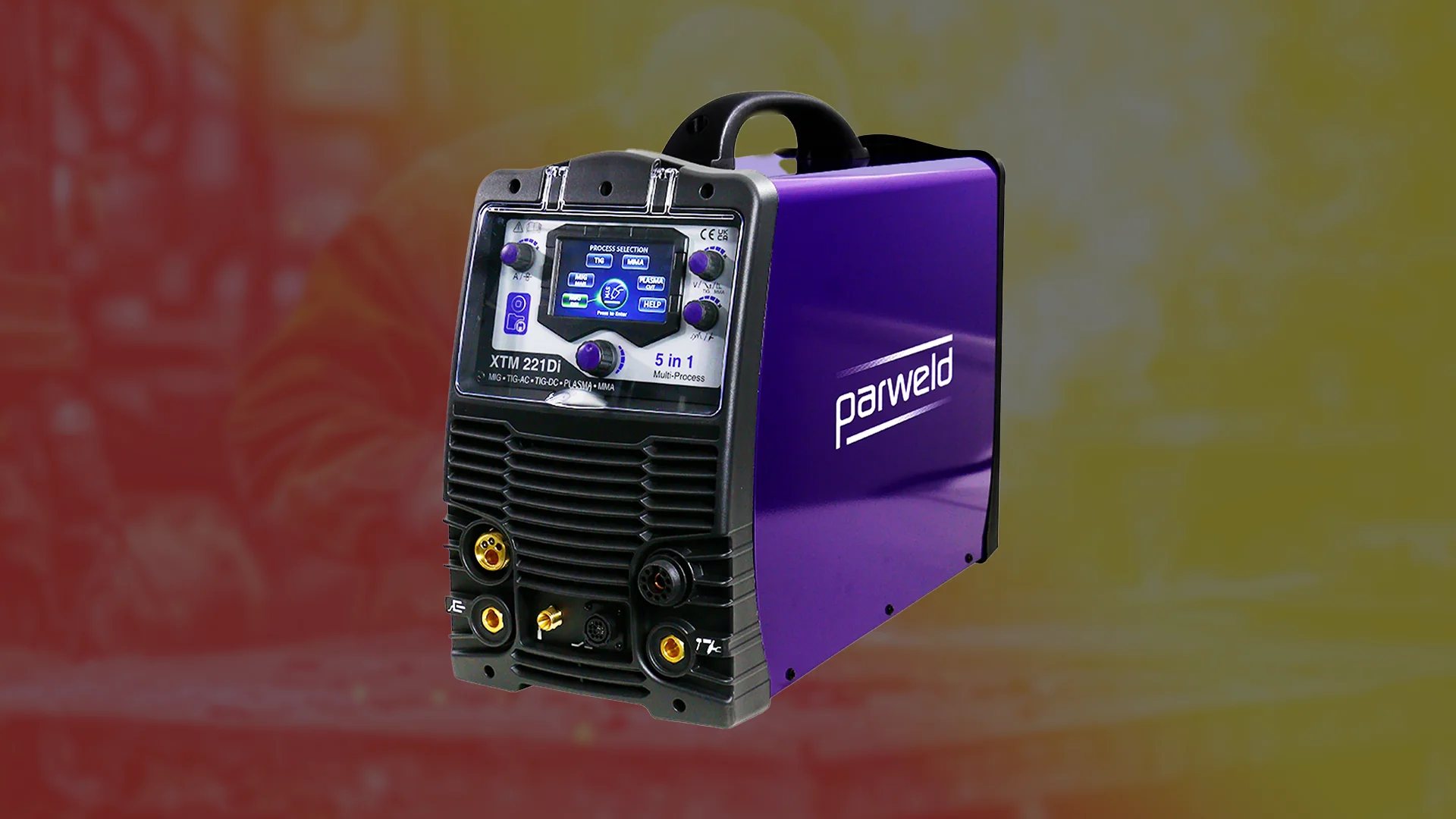
MIG welding, or Gas Metal Arc Welding (GMAW), utilizes a continuous wire electrode fed through a welding gun, accompanied by MIG welding gas to protect the weld pool from atmospheric contamination.
The process is semi-automatic, allowing for consistent welds and increased productivity.
Advantages
- Ease of Use: MIG welding is user-friendly, making it ideal for beginners. The continuous MIG welding wire feed simplifies the process, reducing the need for frequent electrode changes.
- High Welding Speed: The continuous wire feed and semi-automatic nature enable faster welding compared to manual methods, enhancing efficiency in production environments.
- Clean Welds: With proper shielding gas, MIG welding produces clean welds with minimal spatter, reducing the need for post-weld cleaning.
- Versatility: Suitable for welding various metals, including steel, stainless steel, and aluminum, across different thicknesses.
Disadvantages
- Sensitivity to Wind: The shielding gas can be disrupted by wind, making MIG welding less suitable for outdoor applications without proper protection.
- Equipment Cost: Initial setup costs can be higher due to the need for a gas supply and more complex equipment compared to simpler welding methods.
- Limited Thickness: While versatile, MIG welding may not be the best choice for very thick materials without proper preparation and equipment.
TIG Welding Machine
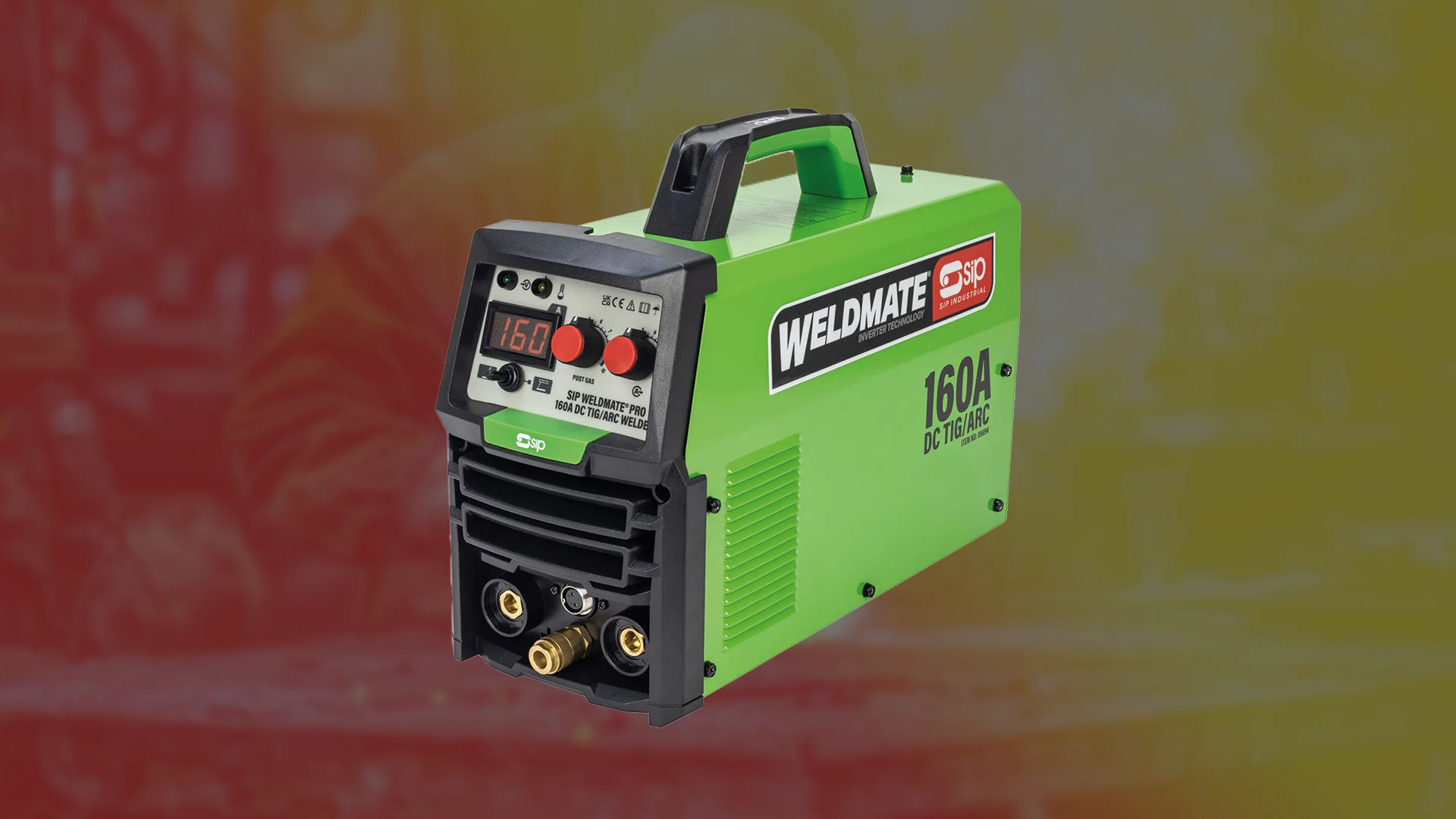
TIG welding, or Gas Tungsten Arc Welding (GTAW), employs a non-consumable tungsten electrode to produce the weld.
An inert gas, typically argon, shields the weld area from contamination.
A separate filler material is often used, allowing for precise control over the welding process.
Advantages
- Precision and Quality: TIG welding offers high-quality, precise welds with excellent finish, making it ideal for critical applications.
- Clean Welds: Produces welds with no spatter and minimal smoke, reducing the need for post-weld cleaning.
- Versatility: Suitable for welding thin materials and a wide range of metals, including stainless steel, aluminum, and copper alloys.
- Control: Allows for greater control over the welding process, including heat input and filler rod material addition.
Disadvantages
- Slower Process: TIG welding is generally slower than other methods, which can impact productivity in high-volume settings.
- Skill Requirement: Requires a higher skill level and more practice to master, potentially limiting its use among beginners.
- Equipment Cost: TIG welding equipment is typically more expensive, and the process may involve higher operational costs.
ARC Welding Machine
ARC welding, or Shielded Metal Arc Welding (SMAW), uses a consumable electrode coated in flux to lay the weld.
An electric current forms an arc between the electrode and the metals to be joined, melting both to form the weld.
The flux coating disintegrates, giving off vapors that serve as a shielding gas and providing a layer of slag, both of which protect the weld area from atmospheric contamination.
Advantages
- Cost-Effective: Equipment is relatively inexpensive and portable, making it accessible for various applications.
- Versatility: Effective for welding thick materials and suitable for outdoor and windy conditions due to the protective slag layer.
- Material Tolerance: Less sensitive to rusty or dirty materials, reducing the need for extensive surface preparation.
Disadvantages
- Post-Weld Cleaning: Produces slag that must be chipped away after welding, adding to the cleanup time.
- Electrode Replacement: Welding rods need to be replaced frequently, which can interrupt workflow.
- Skill Requirement: Requires a moderate skill level to produce quality welds, especially on thinner materials.
Oxy-Acetylene Welding Machine
Oxy-acetylene welding, also known as gas welding, uses a flame produced by burning a mixture of oxygen and acetylene gas to melt the base metals.
Filler material can be added manually to the weld pool.
This method is one of the oldest welding processes and is still used for specific applications.
Advantages
- Versatility: Equipment is versatile and can be used for welding, cutting, and brazing.
- Portability: Portable and does not require electricity, making it suitable for fieldwork.
- Cost: Relatively low initial equipment cost compared to other welding methods.
Disadvantages
- Limited Thickness: Not suitable for welding thick materials due to limited heat input.
- Slower Process: Slower welding process compared to electric methods, which can affect productivity.
- Safety Concerns: Requires careful handling due to the use of flammable gases, posing safety risks.
Spot Welding Machine
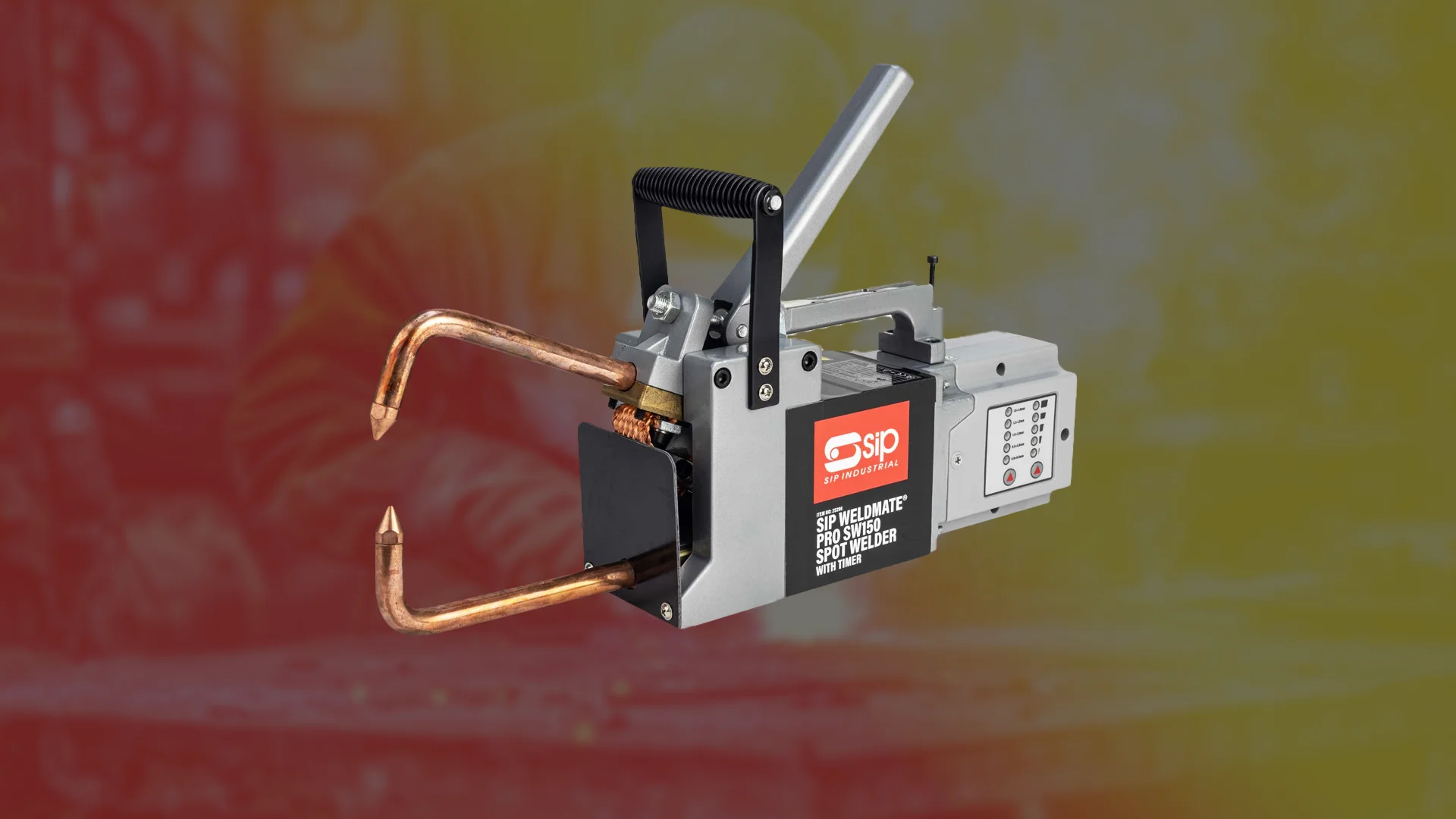
Spot welding is a resistance welding process where two or more metal sheets are joined by applying pressure and heat from an electric current to the weld area.
The heat generated by the resistance to the electric current melts the metal, forming a weld at the spot.
This method is commonly used in automotive and manufacturing industries.
Advantages
- Efficiency: Fast and efficient for joining sheet metals, making it ideal for mass production.
- Automation: Easily automated, enhancing consistency and reducing labor costs.
- Clean Process: Produces clean welds with minimal distortion and no need for filler materials or shielding gases.
Disadvantages
- Material Limitation: Limited to thin materials, typically less than 3mm thick.
- Complexity: Not suitable for complex or large welds, limiting its application scope.
- Equipment Cost: Equipment can be expensive and requires maintenance, which may not be cost-effective for small-scale operations.
Electron Beam Welding Machine
Electron Beam Welding (EBW) is a fusion welding process where a beam of high-velocity electrons is applied to the materials to be joined.
The kinetic energy of the electrons is transformed into heat upon impact, causing the materials to melt and fuse together.
This process is performed in a vacuum to prevent electron scattering.
Advantages
- Precision: Produces deep and narrow welds with minimal distortion, ideal for high-precision applications.
- Material Compatibility: Suitable for welding dissimilar materials and complex assemblies.
- Clean Process: Clean process with no filler materials required, reducing contamination risks.
Disadvantages
- Cost: High initial equipment cost and maintenance requirements, making it less accessible for small operations.
- Vacuum Requirement: Requires a vacuum environment, limiting the size of workpieces and increasing setup complexity.
- Skill Requirement: Requires highly skilled operators to manage the sophisticated equipment and processes.
Laser Welding
Laser welding uses a concentrated laser beam to melt and join materials.
The high-energy beam allows for precise control, making it ideal for applications requiring minimal thermal distortion.
This method is widely used in industries such as automotive, aerospace, and electronics.
Advantages
- Precision: High precision and control, suitable for delicate components and intricate welds.
- Speed: Fast welding speeds increase productivity, especially in automated production lines.
- Minimal Distortion: Minimal heat-affected zones reduce distortion, preserving the integrity of the workpiece.
- Automation: Can be easily automated for high-volume production, enhancing consistency and efficiency.
Disadvantages
- Cost: High equipment and maintenance costs, which may be prohibitive for small-scale operations.
- Material Limitations: Not suitable for reflective materials without special considerations, limiting its application range.
- Safety Concerns: Requires precise joint preparation and alignment, and safety concerns due to high-intensity laser beams necessitate stringent safety equipment.
What Welding Machine is Right for You?
Selecting the appropriate welding machine depends on several factors:
Assess Your Project Needs
The first step in choosing the right welding machine is to consider what materials and thicknesses you will be working with.
If your tasks involve mainly thin metals such as aluminium or stainless steel, a TIG welding machine offers excellent control and produces high-quality, clean welds.
For general-purpose work involving mild steel or light fabrication, a MIG welding machine is fast, easy to learn, and highly versatile.
If you expect to work outdoors or on rough, dirty, or rusty materials, an ARC (stick) welding machine may be best.
ARC welding is less sensitive to environmental conditions and surface impurities.
For jobs involving very thin sheet metals, particularly in automotive or appliance manufacturing, a spot welding machine is extremely efficient.
Consider Your Skill Level
Beginners often find MIG welding the most approachable due to its semi-automatic process and minimal technique requirements.
TIG welding, while offering superior precision, demands greater skill and practice.
ARC welding falls somewhere in between but requires a steady hand for quality welds.
Think About Your Working Environment
If portability and field use are key, oxy-acetylene welding may appeal as it does not require electrical power.
Alternatively, ARC welding machines are compact and practical for on-site repair work.
Electron beam and laser welding machines are highly specialised and generally used in controlled, industrial settings where precision and minimal distortion are essential.
Budget and Future Use
Finally, weigh your budget against your long-term needs.
While MIG and ARC welding machines are relatively affordable, TIG, laser, and electron beam systems come at a much higher cost.
Investing in the right equipment will ensure reliability and efficiency for both current and future projects.
Conclusion
You should now have an understanding of which welding machine is right for you.
Choosing the right welding machine involves more than simply selecting the most powerful or the most popular model.
It requires careful assessment of your specific needs, including the type of materials you will be welding, the thickness of those materials, the working environment, your level of welding experience, and your available budget.
Each welding machine has been designed with certain applications in mind, and using the right tool for the job is essential for producing strong, clean welds and working safely.
Whether you are a home DIY enthusiast needing a reliable MIG welder for occasional repairs, a skilled metalworker requiring the precision of a TIG welding machine, or an industrial operator dealing with thick steel where an ARC welder might be the best choice, matching the machine to the task is key.
The right choice can also reduce operational costs, lower material waste, and enhance the overall quality of your work.
Ultimately, the right welding machine will prove to be an invaluable tool in your workshop or business for years to come.
For more information on welding machines, or help with any and all of your welding needs, get in touch with Xtreme Plasma today.
Display prices in:GBP